What Patients Should Look for in a Modern Dental Practice
Choosing a dentist often starts with practical considerations such as location and insurance. Those factors matter, but they do not tell patients much about a practice's approach to continuing education, technology, communication, or comprehensive care.
Those differences may become more noticeable when a patient needs treatment beyond routine preventive care. A practice's training, technology, and ability to coordinate services can influence how efficiently care is evaluated, planned, and delivered. Before scheduling a first visit, patients can look for several signs that a dental practice is committed to modern, patient-centered care.
Look for a Commitment to Continuing Education
Dental education does not end at graduation. Techniques, materials, technology, and treatment approaches continue to evolve, which makes ongoing continuing education an important part of modern dental practice. Patients may find it helpful to ask how a dentist stays current with changes in the profession and whether they have pursued advanced education in areas relevant to the care they provide.
One credential patients may encounter is Fellowship in the Academy of General Dentistry (FAGD). Earning FAGD requires 500 hours of approved continuing education and successful completion of the AGD Fellowship Examination. Dr. Adam Birk of Birk Dental in Creve Coeur, Missouri, holds the FAGD designation and also completed the year-long American Academy of Implant Dentistry (AAID) Las Vegas Maxicourse focused on implant placement and restoration.
Continuing education can broaden a dentist's knowledge and help support thoughtful treatment planning across a wider range of clinical situations. It may also contribute to a practice's ability to provide more services in-house when appropriate. Patients can ask about recent continuing education, advanced training, and how that training relates to the services offered by the practice. Appropriate specialist referrals remain an important part of care when a case calls for additional expertise.
Technology Should Support Better Care and Communication
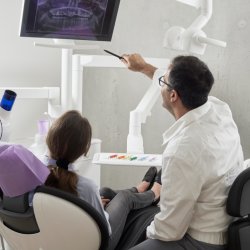
Modern dental technology is most valuable when it supports diagnosis, treatment planning, efficiency, or patient understanding. Digital imaging can provide detailed images quickly, while intraoral cameras can help patients see the same areas their dentist is evaluating. For appropriate cases, CEREC same-day crown technology can allow a practice to design, create, and place a crown in a single visit, often eliminating the need for a temporary crown and a separate placement appointment.
The physical office can also reflect how a practice approaches patient care and workflow. Birk Dental moved into its current Creve Coeur office in July 2025, creating a modern environment designed to support updated technology, efficient care, and patient comfort. While appearance alone does not determine the quality of a dental practice, thoughtful investments in the clinical environment can support a more streamlined patient experience.
Consider How Much Care Can Be Coordinated in One Practice
Some dental needs require referral to a specialist, while others can be treated or coordinated within a general dental practice that offers a broad range of services. When appropriate, having services such as restorative treatment, tooth extractions, periodontal therapy, root canal treatment, crowns, or dental implant care available within one practice can reduce the number of separate offices involved and help maintain continuity in treatment planning.
Comprehensive care does not mean every procedure should always be handled in-house. An important part of good treatment planning is recognizing when a patient would benefit from referral to another dental specialist and coordinating that care appropriately.
Pay Attention to Communication and Patient Comfort
A treatment recommendation is more useful when the patient understands what is being recommended and why. Patients should feel comfortable asking questions and should look for a dental team that explains findings, discusses treatment options clearly, and checks that the information makes sense before moving forward.
Patient comfort matters as well, particularly for people who experience dental anxiety. A welcoming environment, a compassionate team, clear explanations before treatment, and an approach that respects the patient's concerns can all contribute to a more positive dental experience.
Putting It Together
Location and insurance remain important considerations, but they do not need to be the only factors patients evaluate. A dentist's commitment to continuing education, the way technology is used, the range of care available within the practice, and the quality of communication can all shape the patient experience over time.
Taking a few extra minutes to review credentials, learn about the services and technology a practice offers, and pay attention to how questions are answered can help patients make a more informed choice about a dental relationship that may last for many years.
More to Read:



Previous Posts: