Clear Aligners Aren’t the Braces You’re Picturing
Plenty of adults had braces as teenagers and swore they’d never do it again. Metal brackets, rubber brands that snapped at the worst moment, that particular ache after every tightening appointment. Then twenty years pass, the teeth shift back a little the way they always do without a retainer worn religiously, and suddenly there’s a gap or a crook that wasn’t there before. Nobody wants to relive high school orthodontics as a forty year old. That’s roughly the point people start looking into invisalign Richmond clinics instead, once they realise the metal-mouth version isn’t the only option anymore. It genuinely isn’t the same process it used to be.
What Actually Changed
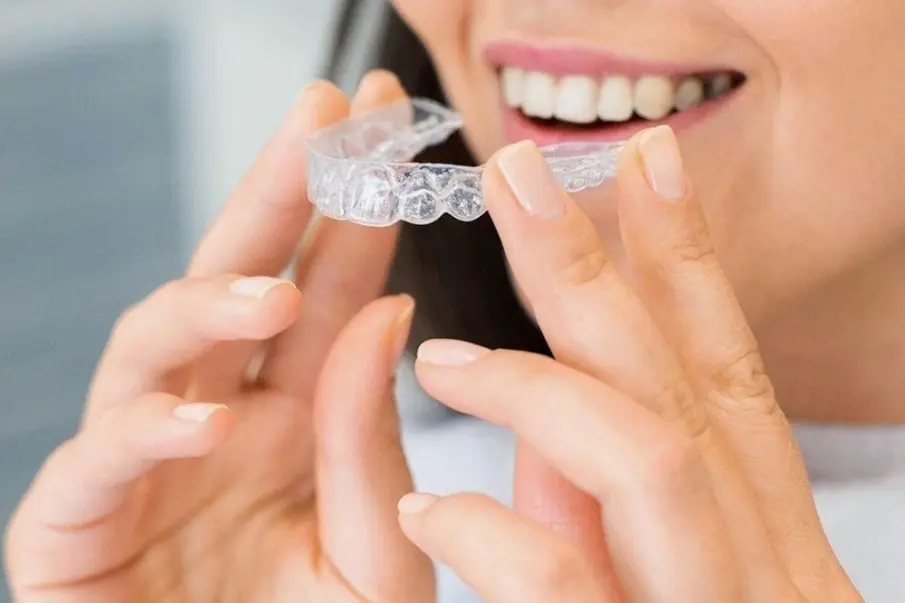
Clear aligners work on a completely different mechanism than traditional braces. Instead of wires and brackets applying constant pressure, a series of custom-fitted plastic trays gradually shift teeth in small increments, with each tray worn for one to two weeks before moving to the next in the sequence. No metal touching the inside of the cheek. No emergency appointment because a wire snapped and started jabbing into gum tissue. The trays come off to eat, which sounds minor until you remember what eating corn on the cob with braces used to involve.
Who It Actually Works For
Invisalign handles a genuinely wide range of cases these days, though it's worth being honest that it's not universal. Mild to moderate crowding, gaps, and minor bite issues respond well, and clear aligners as a category have come a long way from when they first appeared on the market. More severe cases, significant jaw misalignment or teeth that need to be rotated dramatically, sometimes still need traditional braces or a combination approach. A proper consultation and scan settles which category someone falls into, rather than guessing based on what a friend's case looked like.
Common reasons adults specifically look into it:
- Teeth that have shifted back after wearing a retainer inconsistently
- Never having orthodontic treatment as a teenager
- Wanting something that doesn’t show up obviously in every work meeting or video call
- A wedding, a milestone birthday, or event creating a deadline for wanting straighter teeth
That last one comes up more than people expect. There’s usually a date attached to the decision, even if nobody says it out loud during consultation.
The Discipline Part Nobody Mentions
Aligners only work if they’re actually worn. Twenty to twenty-two hours a day is the usual recommendation, which means they come out for eating and brushing and nothing much else. People who treat it casually, leaving trays out for half the day because it’s inconvenient, end up extending their own treatment timeline without realizing it’s their own inconsistency doing that, not the technology underperforming.
That’s the tradeoff nobody advertises upfront. The convenience of clear aligners comes with a discipline requirement traditional braces don't really have, since braces are working whether the wearer thinks about them or not.
How Long It Actually Takes
Treatment length varies a lot depending on complexity, but a rough rage for adult cases sits somewhere between six and eighteen months. Minor corrections can finish faster. Cases involving more significant movement take longer, and skipping ahead or wearing trays inconsistently just stretches that timeline further rather than shortening it. Regular check-ins with the dentist track progress and catch anything not tracking as expected before it becomes a bigger issue.
Worth Doing Properly
A scan and consultation upfront matters more than people assume going in. Rushing that step, or going with whichever clinic quotes the lowest price without checking their actual experience with complex cases, tends to be where treatment plans go sideways. It's worth asking how many cases similar to yours a clinic has actually handled, not just whether they offer Invisalign at all.
Straight teeth without the mouthful of metal from high school. For a lot of adults, that's reason enough to finally deal with the gap they've been self-conscious about for a decade.
More to Read:





Previous Posts: