Tech-Savvy Dentistry: How AI is Revolutionizing Diagnosis and Treatment Planning
The dental world is changing fast. Gone are the days when dental care was limited to mirrors, probes, and X-rays on film. Today, artificial intelligence (AI) is stepping into the spotlight, transforming how dentists diagnose problems, plan treatments, and care for patients.
AI isn’t just a buzzword; it’s a powerful tool that’s making dental visits more accurate, efficient, and personalized. From analysing X-rays with incredible precision to predicting future oral health risks, AI is revolutionizing the way dentists work.
Let’s explore how this cutting-edge technology is being used in modern dental practices and what it means for both patients and professionals.
What is AI in Dentistry?
At its core, artificial intelligence refers to the ability of machines to perform tasks that typically require human intelligence, like learning, reasoning, and problem-solving. In dentistry, AI systems are trained to recognize patterns in data, whether that’s images, medical records, or treatment outcomes.
These systems can process large amounts of information quickly and with remarkable accuracy. For dentists, that means better tools for spotting issues early, planning treatments with precision, and making informed decisions that lead to better patient outcomes.
Well-known professionals such as Jolee Roberts have been early adopters of these tools, advocating for their role in enhancing diagnostic efficiency without losing the personal connection between dentist and patient.
Smarter Diagnoses with AI-Powered Imaging
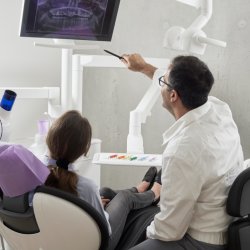
One of the most exciting uses of AI in dentistry is in diagnostic imaging. Traditional X-rays and scans are now being analyzed with the help of AI software that can detect cavities, bone loss, infections, and even early signs of oral cancer.
AI tools can highlight areas of concern that may be difficult to see with the human eye, especially in the early stages of disease. This early detection is crucial, as it allows dentists to intervene sooner, often with less invasive treatments.
For patients, this means more confidence in the accuracy of their diagnosis and peace of mind that nothing is being overlooked.
Streamlined Treatment Planning
Beyond diagnosis, AI also helps with treatment planning. In cosmetic and restorative dentistry, for example, AI can assist in designing crowns, bridges, and veneers with incredible precision. By analyzing a patient’s unique dental anatomy, AI can recommend shapes, sizes, and placements that ensure a natural and comfortable fit.
Orthodontists are also using AI to plan clear aligner treatments. AI algorithms can simulate tooth movements over time, helping providers create a step-by-step plan for straightening teeth more efficiently.
These advanced planning tools save time, reduce guesswork, and often result in better outcomes for patients.
Personalized Preventive Care
AI isn’t just about treating problems; it’s also helping dentists prevent them. By analyzing patient data, AI can predict who might be at risk for conditions like gum disease or tooth decay. Factors such as oral hygiene habits, diet, medical history, and genetic predispositions can all be taken into account.
With this information, dentists can create personalized prevention plans tailored to each patient’s unique risk factors. For example, a patient identified as high-risk might receive more frequent cleanings or special fluoride treatments.
This shift toward proactive, personalized care is a big win for patients, helping them maintain better oral health and avoid costly treatments down the road.
Enhancing Patient Experience
In addition to clinical improvements, AI is also enhancing the overall patient experience. AI-powered chatbots and scheduling systems make it easier to book appointments, get reminders, and ask questions outside of office hours.
Some practices even use AI to collect patient feedback and monitor satisfaction, helping them continuously improve their services.
By streamlining administrative tasks, dentists and their teams can focus more on patient care, something that benefits everyone.
The Role of the Dentist in the AI Era
With all this technology, some people wonder: Will AI replace dentists? The answer is no. While AI is a powerful tool, it doesn’t replace the skill, judgment, and human touch of a trained dental professional.
Dentists like Jolee Roberts see AI as a partner, not a competitor. “AI helps us work smarter,” she explains. “It enhances our ability to deliver top-quality care while freeing up time to focus on what matters, our patients.”
Ultimately, AI supports the art and science of dentistry, empowering dentists to provide even better care.
Looking Ahead: The Future of AI in Dentistry
As AI technology continues to advance, its role in dentistry will only grow. We can expect more precise diagnostics, even smarter treatment tools, and greater integration with other healthcare systems.
Dentists such as Jolee Roberts are excited about the future. “This technology allows us to take dental care to a whole new level,” she says. “Patients benefit from faster, safer, and more personalized treatments, and that’s what it’s all about.”
Final Thoughts
AI is reshaping the landscape of dentistry, offering exciting possibilities for improved diagnosis, treatment planning, and patient care. While the technology is impressive, it’s the human connection, enhanced by these tools, that remains at the heart of every great dental experience.
Whether you’re visiting the dentist for a routine check-up or a complex procedure, AI is working behind the scenes to help you smile brighter, healthier, and with confidence.
More to Read:




Previous Posts: